
The Evolution of Flower Crowns from Ancient Roots to Modern Trends
- DollyGirlsFlowers
- Feb 23
- 4 min read
Flower crowns have long captured the imagination of people across cultures and centuries. These delicate wreaths of blossoms worn on the head carry rich histories and meanings that have shifted over time. Today, flower crowns remain popular, often crafted with dried flowers that reflect contemporary tastes and lifestyles. Exploring their origins and transformations reveals how flower crowns connect us to nature, tradition, and creativity.

Origins of Flower Crowns in History
Flower crowns date back thousands of years, appearing in ancient civilizations around the world. In many early societies, they symbolized honor, celebration, and connection to the divine.
Ancient Egypt: Egyptians wore flower garlands and crowns during religious ceremonies and festivals. These crowns often included lotus flowers, which represented purity and rebirth.
Ancient Greece and Rome: Wreaths made from laurel, olive branches, and flowers were awarded to victors in athletic competitions and worn by gods and emperors. Laurel crowns symbolized victory and status.
Slavic and Nordic Traditions: Flower crowns played a role in seasonal festivals, especially during midsummer celebrations. They were believed to bring protection and good fortune.
Indigenous Cultures: Various indigenous groups worldwide used flower crowns in rituals and ceremonies to honor nature spirits or mark rites of passage.
These early uses highlight flower crowns as more than decorative items. They carried spiritual, social, and cultural significance, often tied to nature’s cycles and human achievements.
How Flower Crowns Changed Over the Centuries
As societies evolved, so did the styles and meanings of flower crowns. The materials, occasions, and symbolism shifted with changing cultural contexts.
Medieval Europe: Flower crowns became popular in weddings and festivals. Brides wore them as symbols of purity and fertility. The choice of flowers often had specific meanings, such as rosemary for remembrance or myrtle for love.
Renaissance and Baroque Periods: Artistic depictions show elaborate crowns with a mix of flowers, herbs, and even precious metals. These crowns reflected wealth and artistic trends.
19th and Early 20th Century: Flower crowns saw a decline in everyday use but remained part of folk costumes in rural areas. The Victorian era revived interest in floral symbolism, influencing wedding traditions.
1960s and 1970s: The hippie movement brought flower crowns back into mainstream fashion as symbols of peace, freedom, and connection to nature. They became iconic accessories at music festivals and protests.
Each era adapted flower crowns to fit its values and aesthetics, blending tradition with innovation.
The Rise of Dried Flowers in Flower Crowns
In recent years, dried flowers have become a popular choice for flower crowns. This shift reflects practical, aesthetic, and environmental considerations.

Longevity: Unlike fresh flowers, dried blooms last much longer, allowing flower crowns to be kept as keepsakes or worn multiple times.
Texture and Color: Dried flowers offer unique textures and muted tones that suit modern, rustic, or bohemian styles.
Sustainability: Using dried flowers reduces waste and supports eco-friendly practices by extending the life of natural materials.
Versatility: Dried flowers can be combined with fresh blooms, greenery, or other decorative elements to create personalized designs.
Florists and crafters now experiment with various drying techniques, such as air drying, pressing, and silica gel preservation, to maintain the flowers’ shape and color.
Modern Trends in Flower Crowns

Today’s flower crowns blend history with contemporary fashion and lifestyle trends. They appear at weddings, festivals, photoshoots, and everyday wear, reflecting diverse tastes.
Minimalist Designs: Simple crowns with a few dried flowers or delicate greenery appeal to those who prefer understated elegance.
Bold and Colorful: Some designs use vibrant dried flowers or mix textures for a statement look.
Mixed Materials: Incorporating ribbons, beads, feathers, or even recycled materials adds a modern twist.
Custom Creations: Personalized flower crowns tailored to individual style, event themes, or seasonal blooms are increasingly popular.
DIY Culture: Tutorials and kits encourage people to create their own crowns, fostering creativity and connection to nature.
These trends show how flower crowns continue to evolve while honoring their roots.
Practical Tips for Wearing and Caring for Flower Crowns
If you want to try a flower crown, especially one made with dried flowers, here are some helpful tips:
Choosing Flowers: Select dried flowers that are sturdy and retain color well, such as statice, strawflower, or lavender.
Storage: Keep dried flower crowns in a cool, dry place away from direct sunlight to prevent fading and brittleness.
Handling: Handle crowns gently to avoid breaking delicate petals or stems.
Wearing: Secure crowns with hairpins or elastic bands for comfort and stability.
Customization: Add personal touches like charms or colored ribbons to match your outfit or occasion.
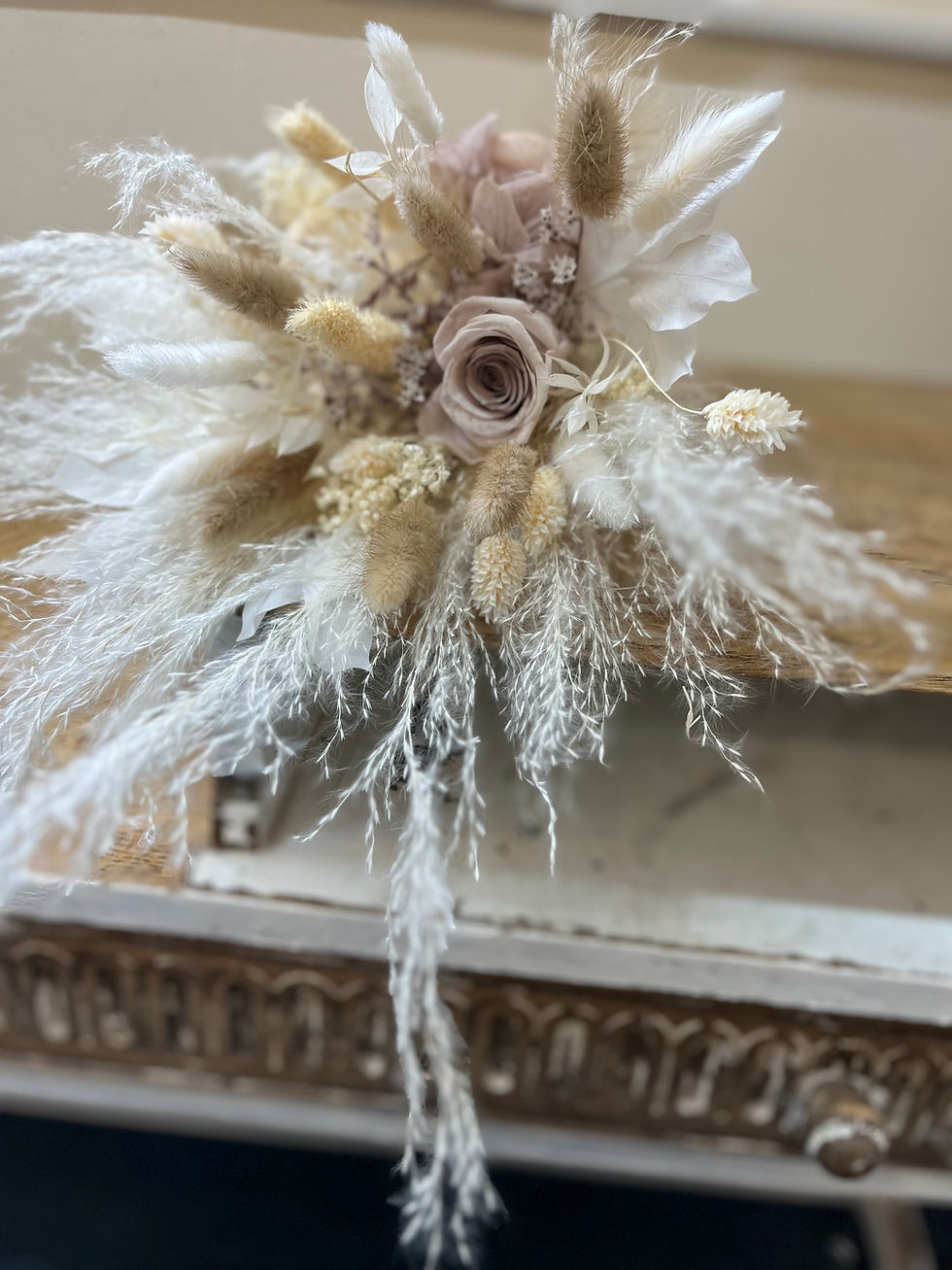
You can find our dried flower crown kits from Dolly Girls Flowers here-
Our kits come with different floral choices to fit into many themes and styles for weddings amd events alike.
With proper care, dried flower crowns can be beautiful accessories that last for months or even years.
Flower crowns have traveled a fascinating path from ancient symbols of honor and nature worship to modern expressions of style and sustainability. Their enduring appeal lies in their ability to connect us to the natural world and to traditions that celebrate life’s milestones. Whether fresh or dried, simple or elaborate, flower crowns invite us to wear a piece of history and creativity on our heads.


Comments